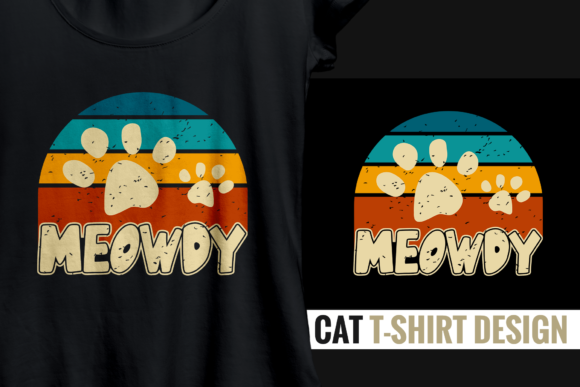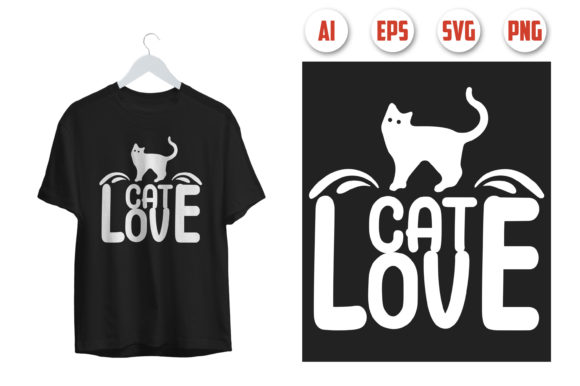
Cat T-shirt Design 15 Review for Embroidery Projects
A First Look at Cat T-shirt Design 15
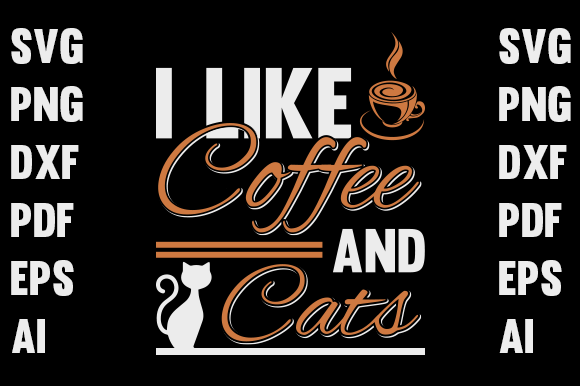
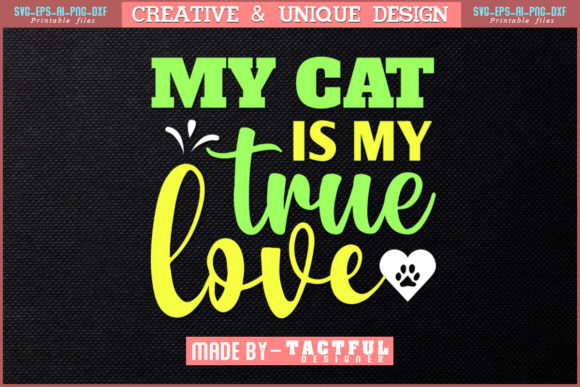
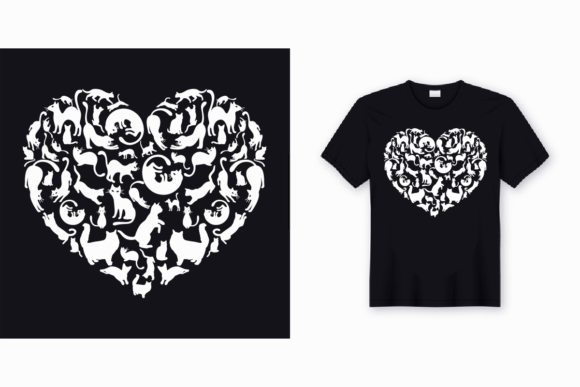
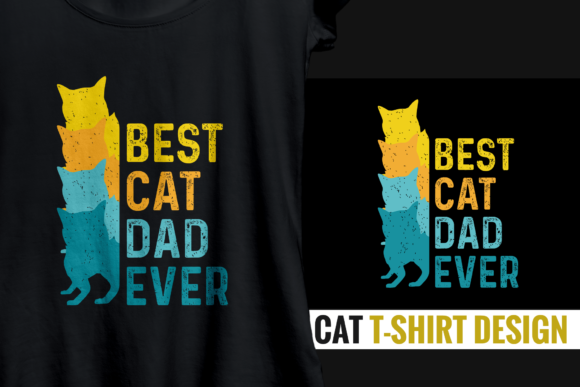
As someone who has tested countless machine embroidery designs, the first thing that catches my eye with Cat T-shirt Design 15 is its playful yet polished aesthetic. The cute cat clipart illustration feels like it was designed with both charm and versatility in mind. It’s not overly complicated, which is a big plus when you're considering how it will translate into an embroidered patch or sweatshirt embroidery.
The layout is centered and balanced, making it ideal for tote bag design or even nursery decor. I can see this design working well on a variety of surfaces, from soft cotton t-shirts to textured canvas tote bags. The level of detail is just right—enough to give the cat character without overwhelming the fabric or requiring excessive stitch density.
Real-Life Scenario: Custom Embroidered Tote Bag
Let’s imagine preparing a custom embroidered tote bag for a small shop. Cat T-shirt Design 15 would be a natural fit here. Its clean lines and simple shape make it easy to stitch, and the file format options (AI, EPS, SVG, PNG) mean I can easily adjust the design to fit the hoop size I’m using. The cat’s expression is friendly and approachable, which makes it perfect for personalized gifts or small shop product branding.
I’d start by testing the design on a scrap piece of fabric to check how the thread colors contrast against different backgrounds. If I were using it on a dark fabric, I might need to tweak the color palette to ensure visibility. For a light-colored tote, the default colors should work fine, but I’d still want to review the stitch density to avoid any distortion on a stretchy material.
This design could also be used as an embroidered patch on a baby onesie or as part of a holiday embroidery project. It's versatile enough to suit a range of handmade product ideas while maintaining a cohesive visual style.
Where to Use Cat T-shirt Design 15 with Caution
While Cat T-shirt Design 15 is a great all-rounder, there are some situations where I'd use it more carefully. For instance, if I were embroidering a cap or pillow cover, I’d need to make sure the design doesn’t have too many intricate details that could get lost on a curved surface. Similarly, using it on thin fabric or textured fabrics may require extra stabilizer to keep the stitches neat.
If I were creating commercial embroidery products, I’d also check the digital embroidery file thoroughly to confirm that the design works well for high-volume production. Small details like the cat’s whiskers or eyes might need to be reinforced or adjusted depending on the fabric type and stitching method.
For craft business owners or Etsy sellers, it’s important to test the design on different materials before listing it for sale. This ensures customer satisfaction and maintains your brand’s reputation for quality and attention to detail.
Design Impact on Visual Appeal and Product Value
Cat T-shirt Design 15 adds a touch of whimsy that can elevate the visual appeal of any custom apparel or personalized gift. Whether it's a babies’ clothing item or a gift for a cat lover, this design brings a sense of fun and personality that customers will appreciate.
The clarity of the design after stitching is another strong point. It doesn’t look cluttered, and the shapes remain recognizable even when viewed from a distance. This makes it suitable for printable mockups or digital product previews that showcase the finished embroidery project.
When used correctly, this design can enhance the perceived value of the final product. It contributes to a professional appearance and helps maintain brand consistency, especially for small shop product lines or craft fair products.
Embroidery Designer Notes for Using Cat T-shirt Design 15
Before diving into a full project, I always recommend testing the design on scrap fabric. This allows you to check how the stabilizer affects the outcome and whether the thread colors match your vision. You should also consider the hoop size needed and whether the design needs to be resized or repositioned for optimal results.
Another key step is to review the stitch density and make sure the design isn’t too dense for the fabric you're using. If you're planning to sell finished items or digital versions, don’t forget to confirm the licensing terms to ensure compliance with any usage restrictions.
Lastly, don’t overlook the importance of mockups—whether black and white or color variations. They help you visualize how the design will look on different fabrics and under various lighting conditions, ensuring your finished product meets your expectations and those of your customers.