Obsessive Cat Disorder Embroidery Review
A First Look at Obsessive Cat Disorder
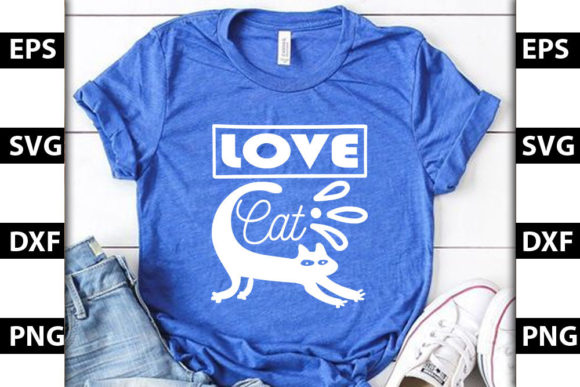
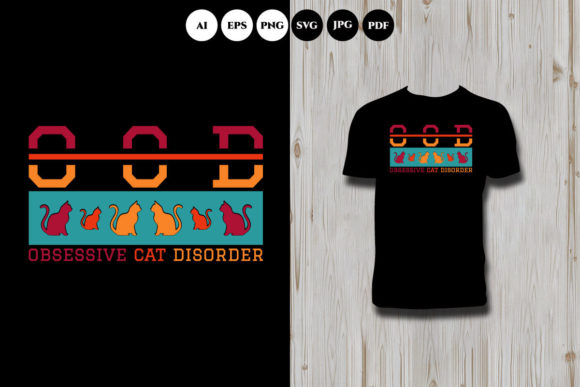
When I first saw Obsessive Cat Disorder, it immediately struck me as a playful yet bold design. The mood is whimsical, with a hint of cheeky humor that cat lovers will appreciate. The layout is centered around a stylized cat figure, surrounded by text that adds personality to the overall look. It feels like something you’d see on a custom tote bag or a fun sweatshirt for a pet-themed event.
The shape and theme are well-balanced, with enough detail to catch attention without overwhelming the eye. This makes it ideal for projects where the design needs to be recognizable but not too busy. The visual personality is lighthearted, making it a great fit for handmade products aimed at younger audiences or those with a sense of humor about their pets.
Real-Life Use in Embroidery Projects
Let’s imagine using Obsessive Cat Disorder on a custom embroidered tote bag. The design has enough space between elements to allow for clear stitching, even on larger fabric surfaces. The cat figure is detailed enough to stand out, and the text adds a personal touch that could make the tote a hit at a craft fair or online shop.
On a sweatshirt, this design would work well as a front panel embroidery. The size and spacing of the elements ensure that the image remains legible and visually appealing, even when viewed from a distance. For baby clothes, the design might need some adjustments, especially if the fabric is thin or stretchy, but with proper stabilizer and hoop size, it can still be a charming addition.
If you're considering using it on a cap or hat, keep in mind that curved surfaces may require extra care during the embroidery process. Testing it on a scrap piece of fabric first is always a good idea, especially if you're working with dark fabric or want to confirm thread color contrast.
This design also shows promise as an embroidered patch. Its clarity and clean lines make it suitable for both applique and satin stitch techniques. When used on aprons or pillow covers, the design maintains its charm without feeling too cluttered.
Where to Use with Caution
While Obsessive Cat Disorder is versatile, there are a few situations where it should be used carefully. On small hoop sizes, the details might get lost, so checking the minimum hoop size before starting is essential. Textured fabrics or thin materials may require additional stabilizer to prevent puckering or distortion.
Stretchy fabrics, such as knits, can cause the design to shift during stitching. If you plan to use this on a t-shirt or sweatshirt made from such material, test it first and consider using a tear-away stabilizer. Dark fabric backgrounds may also affect how the design appears—especially if the thread colors don’t provide enough contrast. Always review the design in black and white mockups to ensure visibility on different fabric types.
For products that need frequent washing, like kitchen towels or blankets, ensure that the stitch density is appropriate to avoid fraying or damage over time. Decorative accents or tiny lettering within the design may also require extra attention during the embroidery process to maintain clarity and professionalism.
Impact on Visual Appeal and Product Value
Obsessive Cat Disorder has a strong visual appeal that can enhance the value of any product it's applied to. Whether it's a personalized gift or a commercial embroidery project, this design brings a unique character that can help your handmade product stand out. It adds a touch of fun and recognition that customers will appreciate, especially if they’re looking for something memorable and engaging.
From a professional standpoint, this design supports brand consistency when used across multiple items. It’s also highly giftable, making it a great choice for holiday embroidery or special occasion gifts. Etsy sellers and small shop owners can benefit from its versatility, as it fits well into a range of product categories, from custom apparel to nursery decor.
As a machine embroidery design, it contributes to a polished and professional finish, which is crucial for customer trust and repeat business. Ensuring that the design works well for both personal and commercial projects is important, and checking the licensing terms before selling finished items or digital products is a must.
Practical Embroidery Designer Notes
Before using Obsessive Cat Disorder in any real project, take the time to test it on scrap fabric. Check the thread color contrast against your chosen fabric, especially if you're working with dark or light backgrounds. Review the stitch density to ensure it won't cause tension issues or fabric distortion.
Confirm the recommended hoop size and check whether the design includes all necessary elements for both personal and commercial use. Inspect small details closely, and test it in black and white mockups to ensure it looks good on different fabric types. Using proper stabilizer is key, especially when working with delicate or stretchy materials.
Always compare the design on light and dark fabric backgrounds to see how it performs. Make sure the file format and machine compatibility match your equipment. And finally, confirm the licensing terms before selling any finished items or digital products based on this design.
Obsessive Cat Disorder is a solid choice for a wide range of embroidery projects. With thoughtful planning and preparation, it can elevate your handmade products and bring a delightful touch of humor and personality to your creative work.